criminal trial stages India
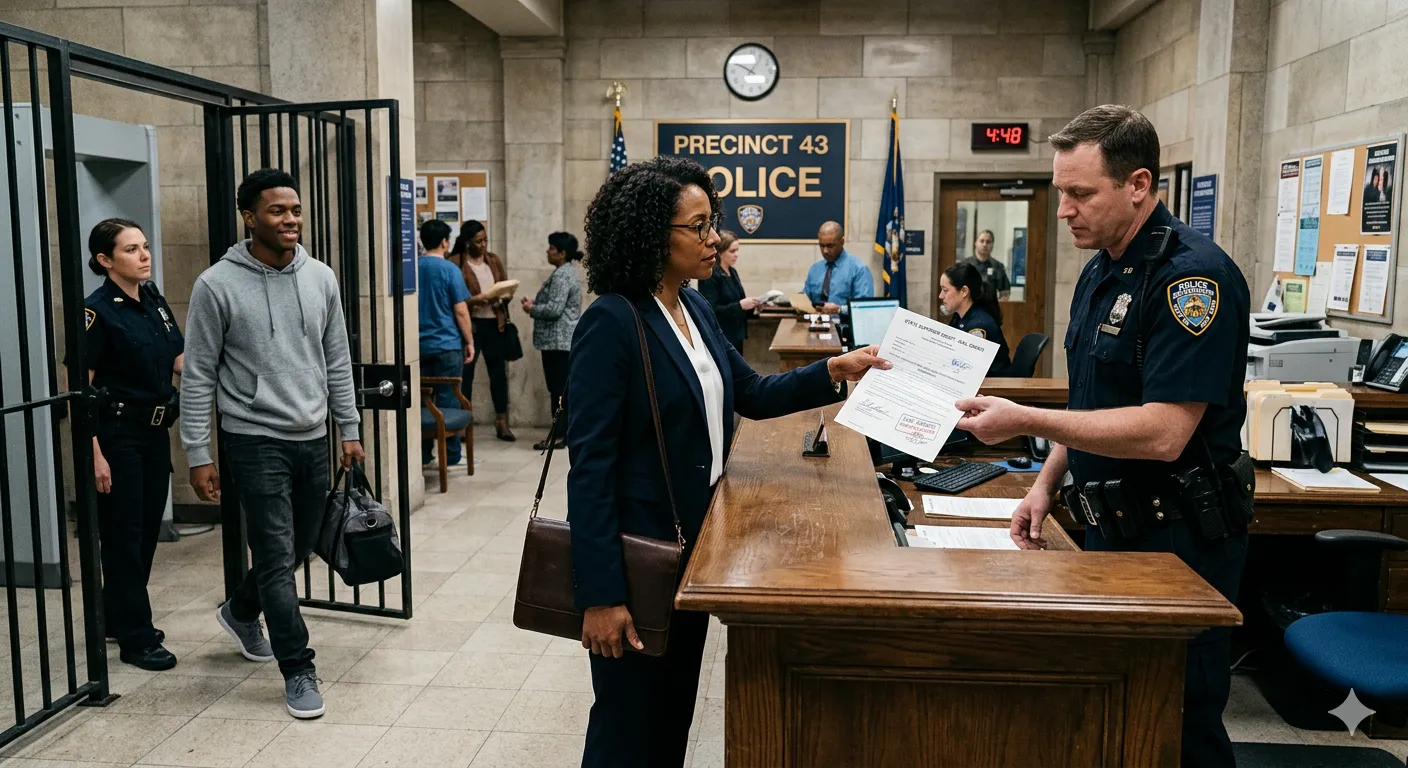
Criminal Trial ki Stages: FIR se Judgment tak Detailed Explanation
1. FIR (First Information Report)
Criminal trial ki sabse pehli stage hoti hai FIR yani First Information Report. Ye wo document hota hai jisse criminal justice system ki poori process formally start hoti hai. Jab kisi police station ko kisi cognizable offence ki pehli information milti hai to police us information ko register karti hai jise FIR kaha jata hai.
Law ka basic principle ye hai ki agar kisi complaint se cognizable offence ka prima facie disclosure hota hai to police ke liye FIR register karna mandatory hota hai. Supreme Court ne is principle ko case Lalita Kumari vs State of Uttar Pradesh me clearly establish kiya tha. Court ne kaha ki police ko FIR register karne se mana karne ka adhikar nahi hai agar complaint se cognizable offence disclose ho raha ho.
FIR ka main objective hota hai crime ka official record banana. Isme generally kuch important details hoti hain:
- incident ki date aur time
- jagah jahan crime hua
- complainant ka naam aur address
- accused ka naam (agar pata ho)
- crime ki brief description
FIR ek substantive evidence nahi hoti, lekin investigation ka foundation zaroor hoti hai. FIR ka importance isliye bhi hota hai kyunki isi document ke basis par police investigation start karti hai.
Practically kai baar police FIR darj karne me delay karti hai ya refuse kar deti hai. Aise situation me complainant ke paas kuch legal remedies hoti hain jaise senior police officer ko complaint dena ya magistrate court me application file karna.
FIR ka ek aur important aspect hai delay in FIR. Agar FIR darj karne me unnecessary delay hota hai to defence lawyer trial ke dauran is delay ko highlight karta hai aur prosecution story par doubt create karta hai.
Isliye legal practice me kaha jata hai ki FIR criminal case ki foundation stone hoti hai. Agar foundation weak ho to poora prosecution case bhi weak ho sakta hai.
2. Investigation
FIR register hone ke baad criminal case ki next stage hoti hai investigation. Investigation ka kaam police karti hai aur iska main objective hota hai crime ki sachai ko discover karna aur evidence collect karna.
Investigation ke dauran police kai tarah ke steps leti hai:
- crime scene inspection
- witnesses ke statements record karna
- documentary evidence collect karna
- forensic evidence secure karna
- accused ko arrest karna (agar zaroori ho)
Witnesses ke statements police generally Section 161 CrPC ke tahat record karti hai. Ye statements later trial ke dauran witness ki credibility test karne ke liye use kiye jate hain.
Investigation me ek important aspect hota hai site plan aur seizure memos banana. Agar koi weapon ya object crime me use hua ho to police usse seize karke seizure memo prepare karti hai.
Forensic science ka role bhi investigation me bahut important hota ja raha hai. Fingerprints, DNA, ballistic reports aur medical examination jaise scientific evidence investigation ko strong banate hain.
Investigation ke dauran police accused ko arrest bhi kar sakti hai. Lekin arrest ke baad accused ko 24 ghante ke andar magistrate ke samne produce karna zaroori hota hai.
Investigation ki quality criminal case ke outcome ko directly affect karti hai. Agar investigation faulty ho to strong case bhi weak ho sakta hai.
Isliye courts ne kai judgments me ye observe kiya hai ki fair aur impartial investigation criminal justice system ki backbone hai.
3. Chargesheet
Investigation complete hone ke baad police court me jo report file karti hai use chargesheet kaha jata hai. Chargesheet ko criminal procedure me police report bhi kaha jata hai.
Chargesheet ka purpose hota hai court ko ye batana ki police investigation ke basis par kaun-kaun se accused ke khilaf prosecution chalaya jana chahiye.
Chargesheet me generally ye details hoti hain:
- accused ka naam aur details
- alleged offences
- witnesses ki list
- documentary evidence
- seizure memos aur forensic reports
Chargesheet file hone ka matlab hota hai ki investigation stage formally complete ho chuki hai aur ab matter court trial ke liye ready hai.
Agar police ko investigation ke baad sufficient evidence nahi milta to police closure report bhi file kar sakti hai.
Chargesheet ka filing criminal case me ek important turning point hota hai kyunki isi ke baad court matter ko judicial scrutiny ke liye consider karta hai.
4. Cognizance
Chargesheet file hone ke baad court ka next step hota hai cognizance lena. Cognizance ka simple matlab hota hai ki court officially case ko notice me leta hai aur decide karta hai ki matter trial ke liye proceed karega ya nahi.
Cognizance ek judicial act hota hai jisme magistrate chargesheet aur documents ko examine karta hai. Agar magistrate ko lagta hai ki prima facie offence banta hai to wo case ko proceed karne ka order pass karta hai.
Cognizance lene ke baad court accused ko summon ya warrant issue karta hai taaki accused court me appear ho sake.
Is stage par court evidence ki detailed examination nahi karta. Court sirf ye dekhta hai ki available material ke basis par prima facie case banta hai ya nahi.
5. Appearance of Accused
Cognizance ke baad court accused ko summon karta hai aur accused ko court me appear hona padta hai. Ye stage criminal trial ki ek formal beginning hoti hai.
Accused court me personally appear karta hai ya apne lawyer ke through appearance file karta hai. Court accused ki identity verify karta hai aur case ki next proceedings start karta hai.
Agar accused appear nahi hota to court uske khilaf bailable warrant ya non-bailable warrant issue kar sakta hai.
Is stage par accused ko case ki basic information di jati hai aur trial process officially start ho jata hai.
6. Supply of Documents
Criminal trial me fairness ensure karne ke liye law ye kehta hai ki accused ko prosecution ke sabhi documents ki copies di jayein. Is process ko supply of documents kaha jata hai.
Isme accused ko diye jate hain:
- FIR copy
- witness statements
- seizure memos
- forensic reports
Is stage ka purpose hai ki accused ko pata ho ki prosecution uske khilaf kya evidence use karne wali hai.
7. Arguments on Charge
Documents supply hone ke baad next stage hoti hai arguments on charge.
Is stage par prosecution aur defence dono court ke samne arguments present karte hain.
Prosecution ka argument hota hai ki available evidence se prima facie offence banta hai aur accused ke khilaf trial chalna chahiye.
Defence lawyer ka argument hota hai ki evidence insufficient hai aur accused ko discharge kar diya jana chahiye.
Court dono sides ke arguments sunne ke baad decide karta hai ki charge frame kiya jaye ya accused ko discharge kar diya jaye.
8. Framing of Charge
Agar court ko lagta hai ki prima facie case banta hai to court accused ke khilaf charge frame karta hai.
Charge framing ka matlab hota hai ki court officially accused ko batata hai ki us par kaunsa offence ka allegation hai.
Charge accused ko read out kiya jata hai aur accused se pucha jata hai ki wo guilty plead karta hai ya trial face karega.
Zyadatar cases me accused guilty plead nahi karta aur trial continue hota hai.
9. Prosecution Evidence
Charge framing ke baad prosecution apna evidence produce karta hai. Is stage ko prosecution evidence kaha jata hai.
Prosecution witnesses ko court me examine kiya jata hai.
Is stage me teen steps hote hain:
1 Examination in chief
2 Cross examination
3 Re examination
Cross examination defence lawyer ka sabse powerful tool hota hai jisse witness ki credibility test ki jati hai.
10. Statement of Accused
Prosecution evidence complete hone ke baad court accused ka statement record karta hai.
Is stage par accused ko opportunity di jati hai ki wo prosecution evidence par apna explanation de sake.
Accused apni defence story bhi yahan explain kar sakta hai.
11. Defence Evidence
Agar accused chahe to wo apni taraf se defence evidence produce kar sakta hai.
Defence witnesses ko bhi court me examine kiya jata hai.
Lekin law accused ko defence evidence produce karne ke liye compel nahi karta.
12. Final Arguments
Evidence complete hone ke baad prosecution aur defence dono final arguments present karte hain.
Prosecution ka focus hota hai ki evidence accused ki guilt prove karta hai.
Defence ka focus hota hai ki prosecution case me doubt hai aur accused ko benefit of doubt milna chahiye.
13. Judgment
Final stage hoti hai judgment.
Court sabhi evidence aur arguments ko consider karke decision deta hai ki accused guilty hai ya nahi.
Agar guilt prove ho jata hai to accused ko punishment di jati hai. Agar evidence insufficient ho to accused ko acquit kar diya jata hai.
Judgment criminal trial ka culmination hota hai aur isi stage par justice deliver hota hai.